Safety Considerations for Commercial Concrete Sawing and Removal
People seeking commercial concrete sawing and removal often want safe, efficient solutions, and local service providers can ensure proper procedures and equipment are used to minimize risks.
If you’re a property owner considering commercial concrete sawing and removal, understanding safety considerations is essential to ensure the project proceeds smoothly and without incident. These procedures involve specialized equipment and techniques that, if not managed properly, can pose risks to workers and surrounding structures. Exploring safety best practices can help prevent accidents, reduce potential damage, and promote a successful outcome. Local contractors experienced in concrete sawing and removal are well-versed in these safety measures, making them valuable resources for managing risks effectively.
Property owners in the area often turn to professionals for concrete cutting and removal projects to handle complex tasks efficiently and safely. Whether upgrading a building, creating new openings, or removing outdated concrete, working with local service providers ensures the job adheres to safety standards while minimizing disruptions. Continuing to learn about safety considerations for commercial concrete sawing and removal can help property owners make informed decisions and connect with experienced contractors who prioritize safe, reliable work practices.
- Commercial building renovations - when structural modifications require precise concrete cutting, local contractors prioritize safety considerations for commercial concrete sawing and removal to minimize risks.
- Flooring removal projects - for removing old concrete slabs, local service providers implement safety measures to protect workers and surrounding areas during sawing and removal.
- Utility line installations - when creating openings in concrete surfaces, local pros focus on safety considerations for commercial concrete sawing and removal to prevent damage and accidents.
- Structural repairs - during concrete repairs, local contractors emphasize safety considerations for commercial concrete sawing and removal to ensure secure and safe work environments.
- Parking lot modifications - for cutting and removing concrete in busy areas, local service providers adopt safety practices to reduce hazards for workers and nearby pedestrians.
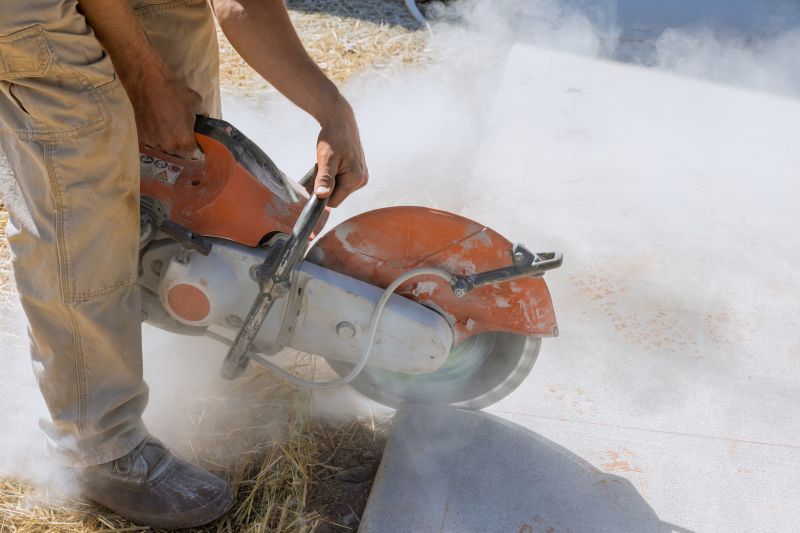
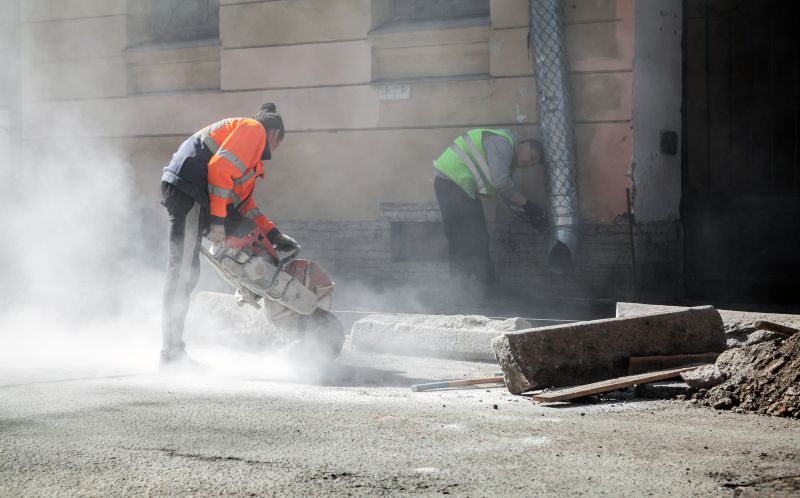
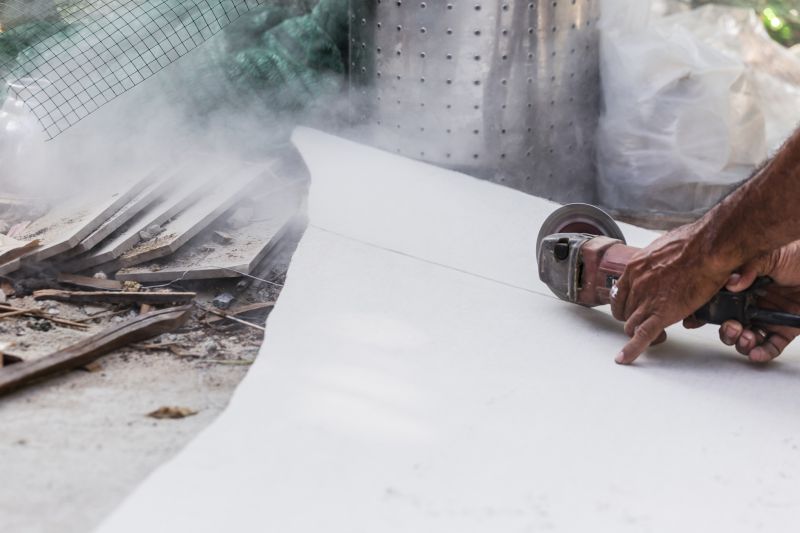
When people search for safety considerations for commercial concrete sawing and removal, they are often looking to understand the potential hazards involved in these types of projects. These procedures typically involve cutting through large concrete structures, which can pose risks such as flying debris, dust inhalation, equipment accidents, and structural instability. Property owners or managers want to ensure that the work is performed without endangering workers, occupants, or nearby pedestrians. Understanding these safety concerns helps in planning the project properly and selecting service providers who prioritize safe work practices.
Safety considerations for commercial concrete sawing and removal are closely tied to the specific challenges posed by different types of properties. For example, commercial buildings, industrial facilities, or public infrastructure projects often involve complex environments where safety protocols must be strictly followed. These settings may contain sensitive electrical systems, gas lines, or other utilities that require careful handling during cutting and removal. Proper planning includes identifying potential hazards beforehand, using appropriate safety equipment, and following established procedures to prevent accidents and damage to existing property or infrastructure.
The types of properties that commonly come up in discussions about concrete sawing and removal include office complexes, warehouses, retail centers, parking garages, and public facilities like schools or hospitals. Each property type presents unique safety considerations based on their use and structural features. For instance, in a busy commercial area, minimizing dust and noise is crucial to avoid disruption and health issues, while in an industrial site, the focus may be on preventing structural collapse or utility damage. Local service providers often have experience working in these varied environments and understand how to implement safety measures tailored to each property type.
Understanding safety considerations for commercial concrete sawing and removal helps property owners and managers make informed decisions when planning a project. It highlights the importance of working with experienced local contractors who prioritize safety protocols and proper equipment use. These professionals assess the specific risks associated with each project, develop comprehensive safety plans, and execute the work with attention to minimizing hazards. By choosing qualified service providers, property owners can help ensure that the project proceeds smoothly, safely, and with minimal impact on the surrounding environment and occupants.
Asphalt Cutting Projects - These projects require precise cutting techniques similar to concrete sawing, with safety considerations for managing dust, noise, and vibration to protect workers and the environment.
Demolition and Debris Removal - Demolition services involve planning for safe removal of concrete and other materials, paralleling the safety protocols used in concrete sawing and removal jobs.
Foundation Cutting and Penetration - Cutting through foundations or slabs demands careful planning and safety measures to prevent structural damage and ensure worker safety.
Parking Garage Renovations - Renovation projects often involve cutting and removal of concrete surfaces, requiring adherence to safety considerations for working in confined or elevated spaces.
Industrial Flooring Removal - Removing old industrial floors involves specialized tools and safety precautions similar to those used in commercial concrete sawing and removal tasks.
Utility and Pipe Installation - Installing utilities often requires precise concrete cutting, with safety planning to prevent damage to existing infrastructure and ensure worker safety.

When evaluating service providers for commercial concrete sawing and removal, it is essential to consider their experience with similar projects. Contractors who have a proven track record in handling jobs comparable in scope and complexity are more likely to understand the specific safety considerations required. An experienced local contractor can better anticipate potential hazards, implement appropriate safety measures, and adapt techniques to ensure a safer work environment during sawing and removal activities. Reviewing their portfolio or asking about past projects can provide insight into their familiarity with the type of work involved and their ability to manage safety effectively.
Clear, written expectations are a crucial aspect of choosing the right service provider. A reputable contractor should be able to articulate their process, safety protocols, and responsibilities in a detailed manner. This documentation helps establish a shared understanding of safety considerations for commercial concrete sawing and removal, reducing the risk of misunderstandings or overlooked hazards. When evaluating potential contractors, it’s helpful to review their scope of work and safety procedures in writing, ensuring they align with the specific safety needs of the project and comply with industry best practices.
Reputable references and effective communication are vital indicators of a reliable service provider. Speaking with previous clients or reviewing references can reveal how well a contractor adheres to safety standards and manages safety considerations during projects. Good communication ensures that safety concerns are addressed promptly and that expectations are clearly understood throughout the process. A contractor who maintains open, transparent communication and can provide references demonstrating their commitment to safety and professionalism can help create a safer environment for commercial concrete sawing and removal work.
Property owners often search for safety considerations for commercial concrete sawing and removal when they are planning practical projects around their homes and businesses. Local pros provide Commercial Concrete Sawing and Removal services for everyday jobs and straightforward project options.
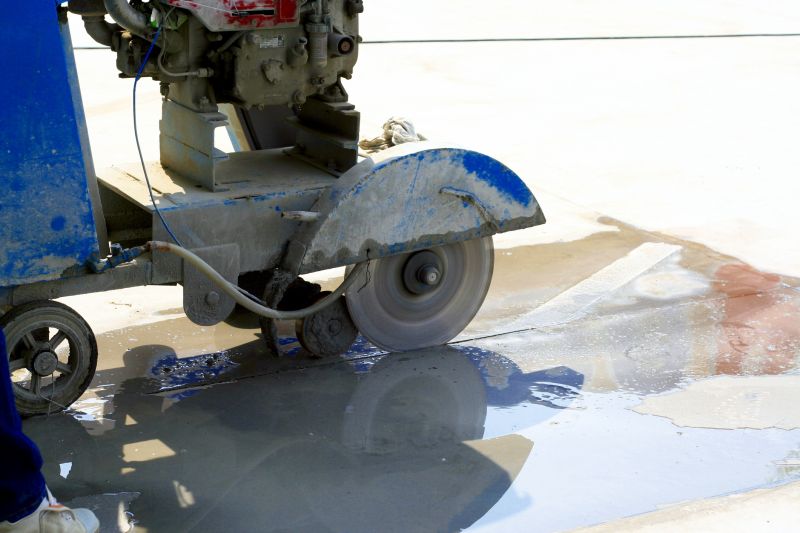
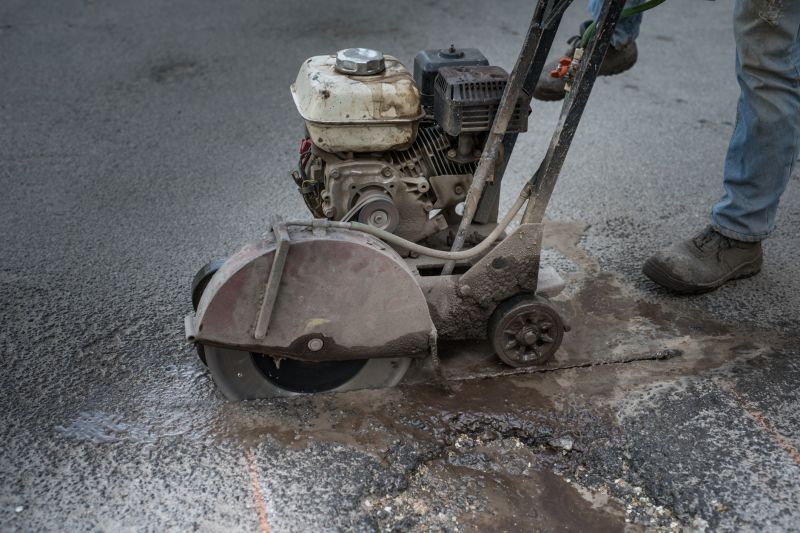
When undertaking commercial concrete sawing and removal projects, property owners often consider safety considerations to prevent accidents and protect everyone on-site. Everyday situations, such as remodeling a storefront or installing new utilities beneath a concrete surface, highlight the importance of working with experienced service providers who prioritize safety protocols. Local contractors specializing in concrete cutting have the expertise to handle equipment properly, minimize dust and debris, and maintain a safe environment for workers and nearby pedestrians. Ensuring these safety measures are in place can help avoid injuries and property damage, making it essential to choose professionals who understand the risks involved.
Property owners in the area seeking concrete sawing and removal services might look into safety considerations to ensure the job is performed securely and efficiently. Proper safety practices include using the right tools, managing vibrations, and controlling dust, all of which contribute to a safer work site. Local service providers are familiar with these safety considerations and can implement procedures that reduce hazards during the project. Connecting with experienced contractors can provide peace of mind that the work will be completed with attention to safety, helping to protect both the property and everyone involved.
What safety precautions should be considered during commercial concrete sawing? Local contractors typically implement measures such as proper ventilation, dust control, and the use of personal protective equipment to ensure safety during concrete sawing operations.
How can I ensure the removal process is safe? Ensuring safety involves selecting experienced service providers who use appropriate machinery, follow safety protocols, and manage debris properly to prevent accidents.
Are there specific safety concerns related to dust and debris? Yes, dust and debris can pose health risks; reputable service providers often use dust suppression systems and containment methods to minimize exposure.
What safety equipment is necessary for commercial concrete removal? Common safety equipment includes eye protection, hearing protection, respirators, gloves, and protective clothing, which local contractors typically provide and enforce.
How do professionals handle hazardous materials during removal? Local service providers are equipped to identify and safely manage hazardous materials, following safety guidelines to prevent exposure and contamination.
Proper equipment training - Ensuring that contractors are trained in the safe operation of concrete saws helps prevent accidents during cutting and removal projects.
Site assessment and planning - Conducting a thorough assessment of the work area allows property owners to identify potential hazards and coordinate with service providers for a safer project.
Use of personal protective equipment - Encouraging contractors to wear appropriate PPE, such as eye and ear protection, reduces the risk of injury during sawing and removal tasks.
Clear communication of project scope - Discussing the specific details and safety requirements of the project with local contractors helps ensure all safety considerations are addressed beforehand.
If you are thinking about safety considerations for commercial concrete sawing and removal for a property, this guide is meant to help you understand this topic, the typical project types, and how different options might fit your plans.
When you are ready, you can use the quote form on this page to share a few details about your project. From there, local pros can review the basics and follow up with options that match what you have in mind.