
Expert Picks for Concrete Cutting Devices That Maximize Performance
Get insights into top-performing tools designed to handle tough concrete with ease and accuracy.
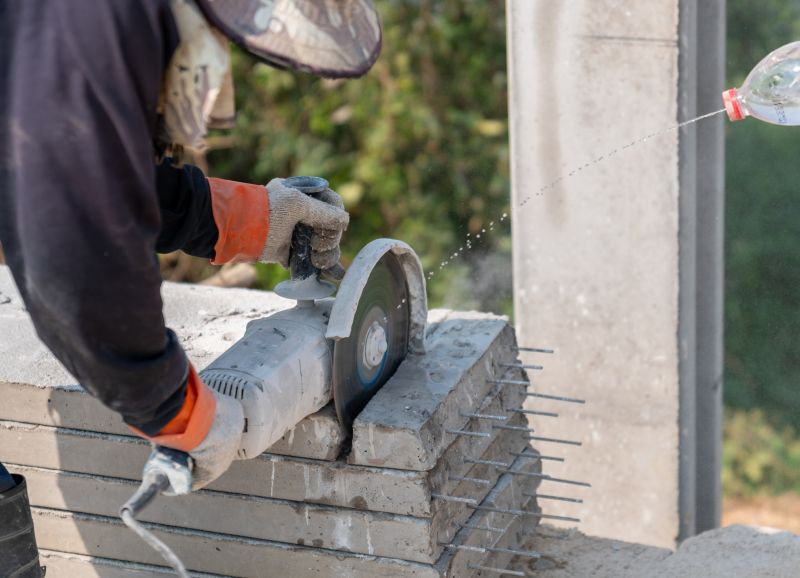 When undertaking concrete cutting projects in West Des Moines, IA, selecting the right tools and equipment is essential for achieving precise and efficient results. Concrete cutting involves various techniques and tools, each suited to specific applications such as creating openings, demolition, or renovation work. The right products can help ensure safety, accuracy, and ease of use, whether you're a professional contractor or a DIY enthusiast. Commonly used tools include handheld saws, walk-behind saws, and specialized blades designed to handle the hardness and density of concrete surfaces. Understanding the different types of products available can help users make informed decisions tailored to their project needs.
Top Overall Option
Diamond Blade for Concrete Cutting
A diamond blade designed for concrete cutting offers a versatile and durable option suitable for various applications. Its high-quality diamond segments enable efficient cutting through tough concrete surfaces, providing smooth and precise results. Compatible with different types of saws, this blade can handle both small and large projects, making it a reliable choice for professionals and DIYers alike.
Types of Products For Concrete Cuttings
Handheld Concrete Saws
Portable saws ideal for detailed cuts and small to medium projects, often equipped with diamond blades for enhanced performance.
Walk-Behind Saws
Larger, stationary saws suitable for straight cuts through thick concrete slabs, commonly used in demolition and large-scale projects.
Wet Cut Saws
Tools that utilize water to cool blades and suppress dust during cutting, improving blade lifespan and safety.
Dry Cut Saws
Designed for dry cutting applications, these saws are portable and convenient but may generate more dust.
Diamond Blades
Specialized blades with diamond segments for cutting through concrete, reinforced concrete, and other tough materials.
Core Drills
Tools used to create precise circular cuts in concrete, often used for installing pipes or electrical conduits.
Reciprocating Saws with Concrete Blades
Versatile saws suitable for demolition and cutting in tight spaces, compatible with diamond or abrasive blades.
Angle Grinders with Concrete Discs
Handheld tools for grinding, polishing, or cutting concrete surfaces, often used for small adjustments or detailed work.
Vacuum Attachments
Accessories that connect to saws to reduce dust and debris during cutting operations.
Water Delivery Systems
Systems that supply water directly to blades during wet cutting, enhancing safety and efficiency.
Dust Extraction Attachments
Devices that help capture dust generated during cutting, promoting cleaner work environments.
Blade Cooling Systems
Equipment that helps maintain optimal blade temperature, extending blade life and performance.
Turbo Segmented Blades
Blades with a segmented design for fast, aggressive cuts in concrete and similar materials.
Continuous Rim Blades
Blades with a smooth rim for cleaner cuts, often used in finishing work.
Segmented Rim Blades
Blades with segments around the rim for quick and efficient cutting of concrete surfaces.
Cutting Kits
Complete sets that include various blades, saws, and accessories tailored for concrete cutting projects.
Concrete Cutting Attachments
Additional tools and accessories designed to adapt existing equipment for specific cutting needs.
Popular Choices
Widely used for its versatility and durability, suitable for a variety of concrete cutting tasks.
Commonly chosen for large-scale projects requiring straight cuts in thick slabs.
Popular for small-scale and detail work, appreciated for portability and ease of use.
Preferred for their ability to minimize dust and extend blade life during cutting.
Frequently used for precise circular cuts, especially in plumbing and electrical installations.
Favored for demolition tasks and tight space cutting, offering flexibility.
Popular for small adjustments and detailed finishing work on concrete surfaces.
Chosen for quick, aggressive cuts in tough concrete materials.
Selected for clean, precise cuts, especially in finishing applications.
Increasingly popular for maintaining cleaner workspaces during cutting.
Commonly used to improve cutting performance and safety.
Valued for extending blade life and maintaining cutting efficiency.
Popular among professionals for comprehensive solutions tailored to concrete cutting.
Favored for their adaptability and enhancement of existing tools.
Concrete cutting products vary widely in terms of power source, blade type, and size, allowing for versatility across different tasks. For smaller, detail-oriented work, handheld tools with diamond blades are often preferred for their maneuverability. Larger projects may require walk-behind saws equipped with heavy-duty blades capable of making straight cuts through thick slabs. Safety features, ease of operation, and compatibility with existing equipment are important considerations when choosing the right product. Proper maintenance and handling also play a crucial role in achieving optimal performance and prolonging the lifespan of these tools.
Whether you're cutting through concrete for plumbing installations, electrical conduits, or structural modifications, selecting products that match your project's scope and complexity is vital. Accessories such as water delivery systems, dust extraction attachments, and blade cooling options can enhance cutting efficiency and safety. It is advisable to evaluate the specific requirements of your project, including the thickness of the concrete, the type of cut needed, and the available power sources, to find the most suitable tools and blades. Investing in quality products designed for concrete cutting can contribute to smoother workflows and better overall results.
In West Des Moines, IA, a range of concrete cutting products are available to meet diverse needs. From compact handheld devices for small-scale tasks to large industrial-grade saws for extensive projects, the right equipment can make all the difference. Always prioritize safety and compatibility when selecting tools, and consider consulting local suppliers or experts for tailored recommendations. Properly chosen products will help ensure your project progresses efficiently and safely, regardless of the scope or complexity.
Key Buying Considerations
- Project scale and scope to determine appropriate tool size and power.
- Type of cut required — straight, curved, or circular.
- Concrete thickness and density for selecting blade durability and size.
- Power source compatibility — electric, pneumatic, or gas-powered tools.
- Blade material and design suited for specific concrete types.
- Safety features such as blade guards, dust suppression, and water delivery.
- Ease of handling and maneuverability for user comfort and precision.
- Availability of replacement blades and accessories.
- Compatibility with existing equipment or tools you already own.
- Budget constraints balanced with quality and performance needs.
- Work environment considerations, including dust and debris management.
- Frequency of use to determine durability and long-term value.
- Local supplier support and availability of spare parts.
- Operator skill level and experience with concrete cutting tools.
- Compliance with safety standards and regulations applicable in West Des Moines, IA.
This content may include affiliate links, and we may earn a commission at no additional cost to you, supporting our efforts to provide helpful information.